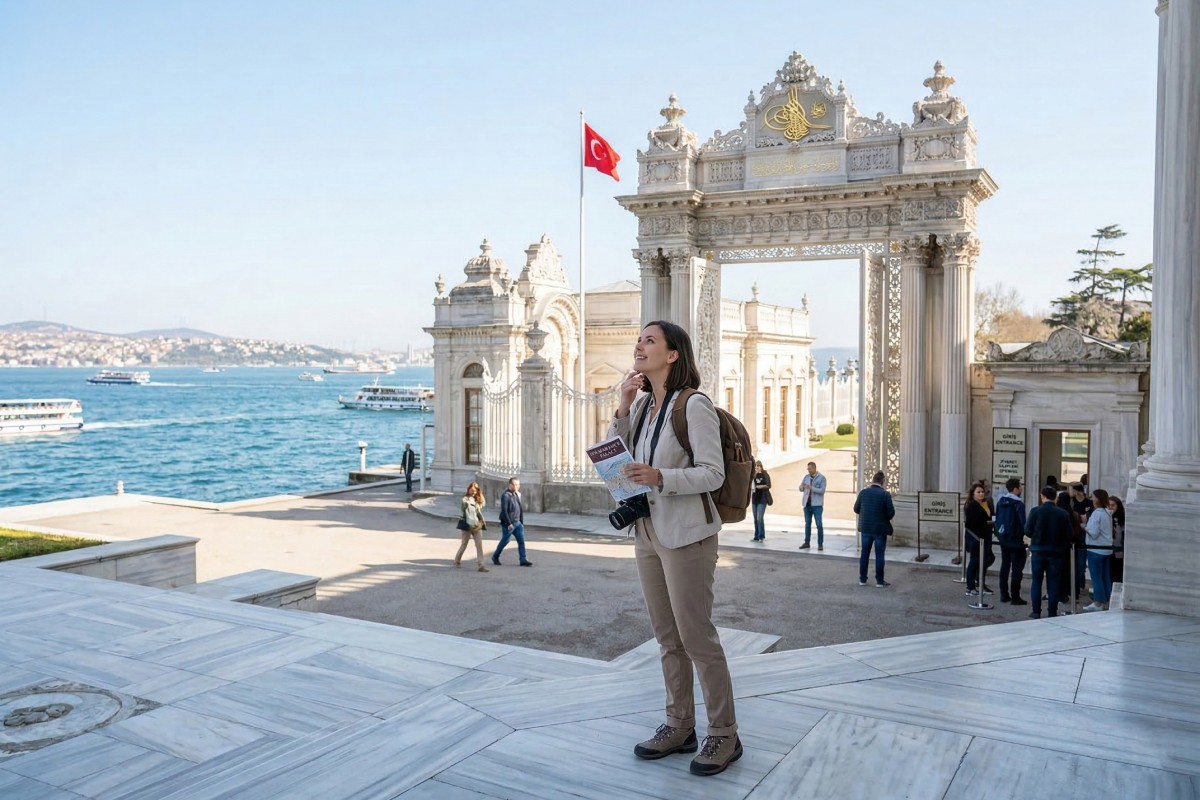
Planning Your Visit: What to Expect at Dolmabahçe Palace
Standing majestically on the European shore of the Bosphorus, Dolmabahçe Palace is more than just a museum; it is a frozen moment in time where the splendor of the Ottoman Empire meets the modern era of the Turkish Republic. As you plan your itinerary for January 2026, understanding the nuances of visiting this colossal structure is crucial. Unlike other historical sites in Istanbul, Dolmabahçe operates with specific protocols designed to preserve its delicate interior and opulent grandeur. Whether you are an architecture enthusiast or a history buff, knowing what lies ahead will transform a simple sightseeing trip into a seamless and deeply moving experience.
Arrival and First Impressions
Your experience begins the moment you approach the iconic Clock Tower (Saat Kulesi) at the entrance. Even before you step inside the main gates, the atmosphere is charged with history. The location acts as a bridge between the bustling district of Beşiktaş and the transport hub of Kabataş, making it easily accessible yet distinctly separate from the city's chaos.
Upon arrival, expect a security screening process similar to an airport. This is standard procedure for a site of such national importance. Once you pass through the ornate Imperial Gate (Saltanat Kapısı), the noise of the city fades away, replaced by the sound of seagulls and the gentle lapping of the Bosphorus against the quay. The manicured gardens offer a prelude to the luxury awaiting inside, featuring swans, peacocks, and century-old magnolias.
Navigating Tickets and Entrance
One of the most critical aspects of planning your visit is handling the admission process. Dolmabahçe Palace is incredibly popular, and visitor quotas are often enforced to protect the building's structural integrity. During peak hours, ticket lines can stretch significantly, consuming valuable time that could be spent exploring.
To ensure a stress-free start to your day, it is highly recommended to arrange your entry in advance. Opting for a Dolmabahce Palace & Harem Fast-Track Ticket can be a game-changer, allowing you to bypass the long general admission queues. This is particularly important if you are visiting on a weekend or during a holiday period. Remember, the palace has a daily capacity limit; once tickets are sold out for the day, no further entries are permitted.
Structuring Your Tour: The Layout
The palace is massive, spanning 45,000 square meters with 285 rooms and 46 halls. To make the most of your visit, it helps to understand the two main zones you will be exploring. You can read more about the architectural evolution on our history page, but here is what to expect on the ground:
The Selamlık (Official Section)
This is where the empire met the world. As you walk through the Selamlık, prepare to be overwhelmed by gold leaf, crystal, and heavy velvet. The highlight here is the Crystal Staircase, shaped like a double horseshoe and built with Baccarat crystal balusters and mahogany rails. The tour culminates in the Muayede Salonu (Ceremonial Hall), a space so vast it houses a 4.5-ton English chandelier. This section represents the public face of the Sultanate.
The Harem (Private Quarters)
Connected to the Selamlık but distinct in atmosphere is the Harem. While the Selamlık is designed to impress foreign dignitaries, the Harem was the private home of the Sultan and his family. The corridors are narrower, and the rooms, though still opulent, feel more intimate. A poignant stop here is the room where Mustafa Kemal Atatürk, the founder of the Turkish Republic, spent his final days. For a deeper dive into these areas, check out our guide to the palace sections.
Palace Etiquette and Rules
Dolmabahçe is not your average museum; it is a preserved residence with original furnishings. To maintain this environment, there are strict rules every visitor must follow:
- The Blue Booties: Upon entering the building, you may be required to wear plastic shoe covers over your footwear. This protects the priceless Hereke carpets and original parquetry floors from damage.
- Photography Ban: Perhaps the most surprising rule for first-time visitors is the strict prohibition of photography and videography inside the palace buildings. This rule is enforced to prevent light damage to artifacts and to keep the flow of visitors moving. It forces you to be present in the moment rather than viewing the palace through a lens.
- Stay on the Carpet: You must walk only on the designated red carpet paths. Stepping off these paths triggers sensors and alarms.
Audio Guides and Pacing
Gone are the days when you had to wait for a guided group tour to start. Today, visits are self-guided using an audio guide system, which is usually included with your entry. This allows you to move at your own pace, though the flow is generally one-way.
The audio guides are excellent, offering rich storytelling available in multiple languages. They explain not just the physical objects, but the lives of the people who lived here. Make sure to pick up your device at the entrance kiosk—you will likely need to leave an ID card as a deposit. For specific details on opening hours and closure days, always refer to the visiting information page before you head out.
What to Expect: A Quick Reference
To help you plan the logistics of your day, here is a breakdown of the practicalities you will encounter during your visit:
| Feature | What to Expect |
| Duration | Plan for at least 2 to 3 hours to see both the Selamlık and Harem leisurely. |
| Accessibility | While the gardens are accessible, the interior has stairs. Wheelchair users may need assistance or special routing by staff. |
| Refreshments | There are lovely cafes in the garden overlooking the Bosphorus. Great for a tea break after the tour. |
| Bag Policy | Large backpacks and luggage are not permitted inside the palace halls and must be checked in at the cloakroom. |
The Emotional Impact
Visiting Dolmabahçe is an emotional journey. You are walking through the halls where the Ottoman Empire dissolved and where modern Turkey said goodbye to its founding father. The clock in Atatürk's room is famously set to 9:05, the time of his passing.
As you exit the palace and step back out onto the Bosphorus waterfront, take a moment to absorb what you have seen. The contrast between the silent, opulent halls and the lively energy of modern Istanbul outside the gates is striking. Whether you are admiring the Gates of the Treasury or watching ships pass by from the garden cafe, the experience of Dolmabahçe leaves a lasting impression of grandeur, melancholy, and beauty.


