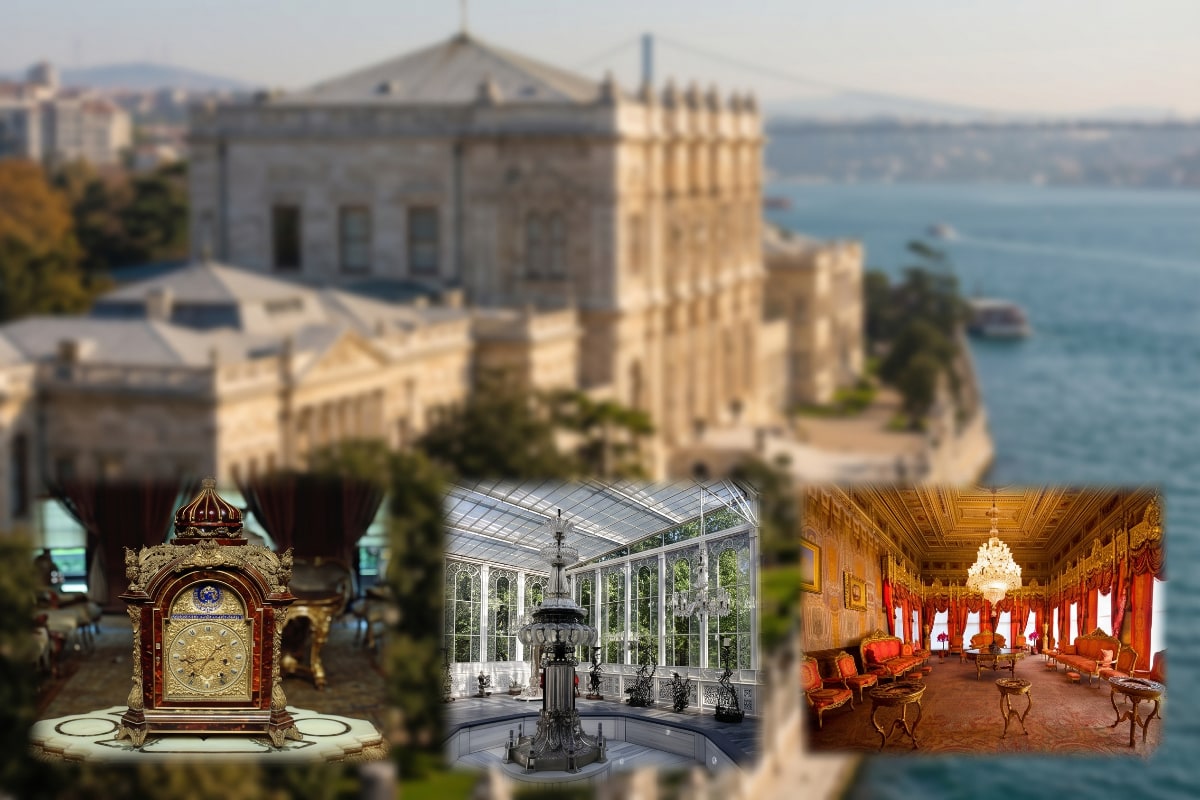
Hidden Gems of Dolmabahce Palace: Discovering Lesser-Known Attractions
When travelers stand before the imposing gates of Dolmabahce Palace, their eyes are immediately drawn to the monumental scale of the facade and the shimmering waters of the Bosphorus. It is undeniably one of the most glamorous palaces in the world, representing the final era of the Ottoman Empire in a blend of Neoclassical, Baroque, and Rococo styles. However, amidst the rush to see the famous Crystal Staircase and the massive Ceremonial Hall, many visitors inadvertently walk past exquisite details and secluded corners that tell the most intimate stories of the palace. To truly understand the depth of this historical marvel, one must look beyond the gold leaf and heavy velvet curtains to find the hidden gems that give the palace its soul.
Beyond the Ceremonial Hall: What Most Visitors Miss
The sheer opulence of the Muayede Salonu (Ceremonial Hall) can be overwhelming, causing a sensory overload that makes it difficult to focus on smaller details. Yet, the true craftsmanship of Dolmabahce lies in the subtleties that require a pause to appreciate. For instance, while everyone looks up at the 4.5-ton chandelier, few look down at the parquet flooring. These floors are masterpieces of marquetry, crafted from varying shades of wood such as rosewood, ebony, and mahogany, interlocking without a single nail. As you move through the corridors, pay close attention to the heating systems. Unlike earlier palaces, Dolmabahce was equipped with a modern heating system for its time, hidden behind intricate grilles that look like decorative art rather than functional vents.
Another often-overlooked feature is the specific placement of mirrors. The palace was designed to reflect light from the Bosphorus into the deepest corners of the rooms. If you stand at specific angles in the hallways leading to the administrative sections, you can see an infinite regression of reflections designed to make the spaces feel even more vast. These architectural tricks were not just for show; they were practical solutions to lighting huge spaces before electricity was fully integrated. To understand how these innovations fit into the timeline of the empire, a quick read of the palace history provides essential context regarding Sultan Abdülmecid I's vision.
The Harem’s Quiet Corners and The Blue Hall
The Harem is often misunderstood as solely a private residence, but it was a complex social institution that played a vital role in Ottoman dynastic power. It was home not only to the Sultan's wives and concubines but also to female relatives, servants, and educators. The Harem was governed by its own strict hierarchy and customs, with the Valide Sultan (Queen Mother) wielding considerable influence. While the main tour routes through the Harem cover the primary bedrooms, the Mavi Salon (Blue Hall) deserves special attention. This room served as a ceremonial hall for the Harem inhabitants and the Valide Sultan (Queen Mother). What makes it a hidden gem is the specific shade of blue used in the upholstery and curtains, known as 'Dolmabahce Blue.' It creates a calming yet regal atmosphere distinct from the red and gold dominance of the Selamlik (men's quarters). Here, the furniture is not just European import; it is a fusion where Western form meets Ottoman function, creating a unique hybrid style.
Deep within the Harem section lies a room that carries a heavy emotional weight, often passed by visitors rushing to the exit: the bedroom of Mustafa Kemal Atatürk. While it is a known stop, the 'hidden gem' aspect lies in the details of the room itself, which is starkly modest compared to the Sultan's suites. The clock, permanently stopped at 09:05, is the focal point, but notice the simplicity of the medicine cabinets and the view from the window. It offers a humble, humanizing perspective on the founder of the Turkish Republic, contrasting sharply with the imperial grandeur surrounding it. For those interested in the layout of these private quarters, reviewing the palace sections beforehand can help you navigate the Harem more intuitively.
Artistic Treasures: The Painting Museum and Glassware
Located in the Crown Prince Residence (Veliaht Dairesi), the National Palaces Painting Museum is technically part of the complex but is frequently skipped by tourists suffering from 'museum fatigue.' This is a mistake. The museum houses an incredible collection of 19th-century Ottoman and European art, including works by the famous court painter Fausto Zonaro and the majestic seascapes of Ivan Aivazovsky. The lighting here is curated to highlight the brushstrokes that captured the fading glory of the empire. It is a quiet refuge away from the crowds of the main palace, allowing for a contemplative experience of art that documents the very halls you have just walked through.
Additionally, the palace's collection of glassware is not limited to the chandeliers. In the smaller salons, look for the 'Beykoz' glass and porcelain vases. These were produced locally in Istanbul and represent a specific Ottoman industrial achievement. Unlike the imported Baccarat crystal, these pieces feature distinct floral motifs and gold gilding techniques that are unique to Turkish craftsmanship. Spotting these local masterpieces among the French and British gifts is a rewarding treasure hunt for the keen-eyed visitor.
The Gates to the Sea
Most visitors enter through the Treasury Gate and exit through the Imperial Gate, but the sea gates (Yalı Kapıları) are the true photogenic stars that are often inaccessible or overlooked from the interior. These gates, which open directly onto the Bosphorus, were the primary entrance for dignitaries arriving by boat. While you cannot walk through them, viewing them from the garden side offers a perspective of framing the Asian side of Istanbul through the ornate ironwork. The juxtaposition of the intricate white marble lattice against the deep blue water creates one of the most stunning visual compositions in the city.
Checklist: Where to Find the Hidden Details
| Hidden Gem | Location | What to Look For |
| Marquetry Floors | Ceremonial Hall & Major Salons | Interlocking wood patterns without nails. |
| Heating Grilles | Corridors | Decorative metalwork hiding vents. |
| Dolmabahce Blue | The Blue Hall (Harem) | The unique color palette and hybrid furniture. |
| Aivazovsky Paintings | Painting Museum | Masterful depictions of the Bosphorus and sea. |
| Beykoz Glassware | Side Salons | Locally crafted porcelain with floral gold motifs. |
Practical Tips for a Deeper Exploration
To truly enjoy these lesser-known attractions, timing is everything. The palace is most crowded between 11:00 AM and 2:00 PM. Arriving early in the morning allows you to catch the soft eastern light hitting the Crystal Staircase and the Bosphorus gates, which is essential for photography and seeing the details in the crystal prisms. Furthermore, because the palace guides visitors along a designated route, it is important to move at your own pace where allowed. Do not feel pressured to keep walking if a large group comes up behind you; step to the side and let them pass so you can inspect the intricate ceiling frescoes or the texture of the Hereke carpets.
- Audio Guides: Make sure to listen to the specific tracks regarding the architectural styles; they often point out details on the ceiling that are easily missed.
- Footwear: You will be walking on plastic covers to protect the historic carpets, but comfortable shoes are a must as the palace complex is extensive.
- Garden Walk: After the interior tour, do not rush to the exit. The gardens contain rare botanical species planted during the Ottoman era, which are living artifacts in their own right.
Planning your visit with a focus on these details requires a bit of preparation. Reviewing visiting information regarding photography rules (which can change) and prohibited items will ensure a smooth entry. The more comfortable you are, the more attention you can pay to the whispers of history echoing through the halls.
Conclusion
Dolmabahce Palace is far more than a symbol of late Ottoman luxury; it is a treasure trove of artistic, engineering, and cultural details that tell the story of an empire in transition. By taking the time to seek out these hidden gems—from the specific shade of blue in the Harem to the local craftsmanship of the glassware—you transform a standard sightseeing trip into a journey of discovery. The magic of Istanbul lies in its layers, and nowhere is this more evident than in the quiet, overlooked corners of this magnificent palace.


