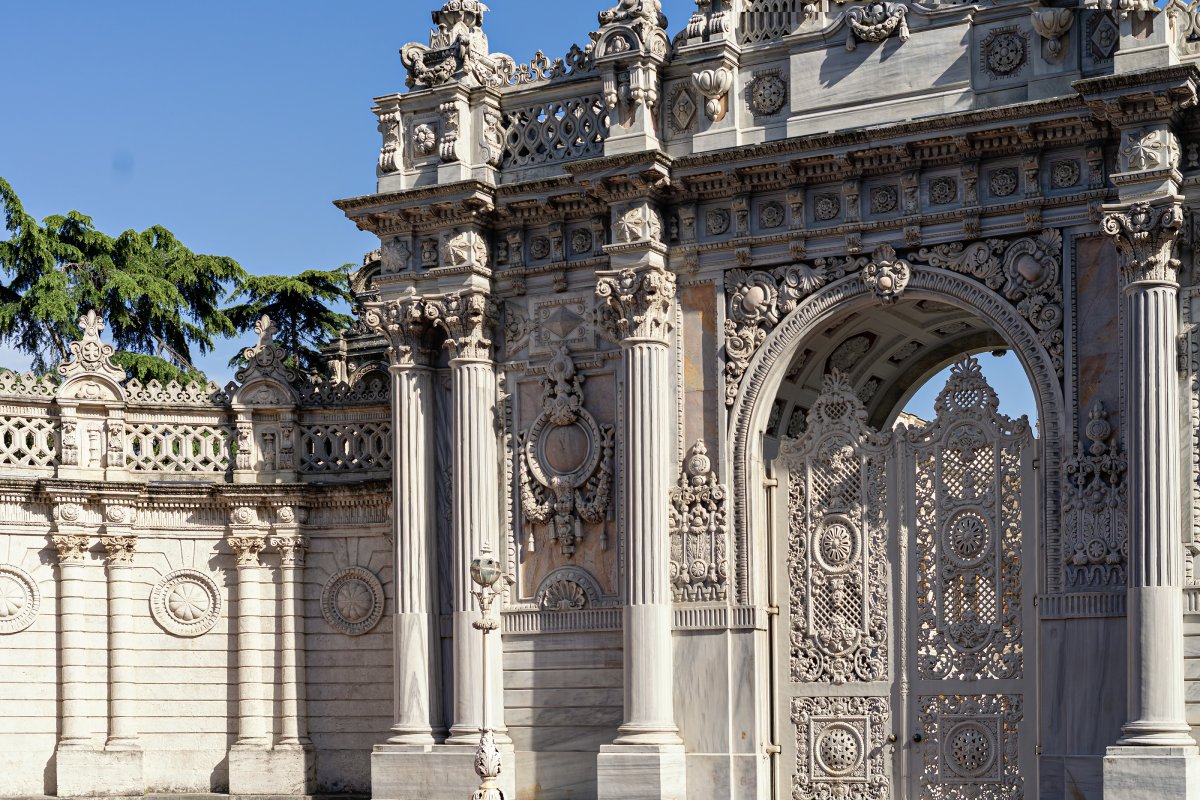
Cultural Events at Dolmabahçe Palace: What’s On?
Standing on the shores of the Bosphorus, Dolmabahçe Palace is far more than a static monument to the Ottoman Empire’s final era; it is a vibrant cultural hub that continues to breathe life into Istanbul’s artistic scene. As we navigate through January 2026, the palace complex remains a focal point for travelers seeking not just architectural grandeur, but a deeper connection to Turkish heritage through art and performance. While the ornate gates and crystal chandeliers draw millions, the cultural events and exhibitions hosted within and around these walls offer a unique perspective, transforming a standard sightseeing tour into an immersive journey through time and creativity. Whether you are an art aficionado, a history buff, or simply a curious traveler, keeping an eye on the palace's cultural calendar is essential for a truly enriching experience.
The Palace as a Living Stage for Arts
The transition of Dolmabahçe from a royal residence to a museum did not strip it of its soul; rather, it democratized the luxury and artistic appreciation that once belonged solely to the Sultans. The palace was originally designed to impress the world, and today, it continues that mission by hosting prestigious cultural gatherings. Understanding the backdrop of these events requires a look into the past, where the Sultans themselves were often patrons of the arts, composers, and poets. To fully appreciate why a classical music concert or a calligraphy exhibition is held here, one should explore the history of the palace, which reveals a long-standing tradition of blending Western artistic forms with traditional Ottoman culture. This synthesis creates an atmosphere where every event feels like a continuation of a story that began in the 19th century.
Seasonal Exhibitions and the National Palaces Painting Museum
One of the most significant cultural assets within the palace complex is the National Palaces Painting Museum. Located in the heir apparent's residence (Veliahd Dairesi), this section is a treasure trove for art lovers and hosts rotating themes throughout the year. The collection includes rare works by Ottoman court painters, magnificent seascapes by Ivan Aivazovsky, and portraits of the Sultans. Beyond the permanent collection, the museum and the dedicated Dolmabahçe Art Gallery often curate temporary exhibitions that highlight specific eras or artistic techniques.
- Ottoman Calligraphy Displays: Special showcases often feature the intricate art of Hat (calligraphy), displaying firmans (royal decrees) and religious texts that demonstrate the aesthetic mastery of the written word.
- Restoration Showcases: Occasionally, the palace administration organizes exhibitions detailing the meticulous restoration processes of the palace’s textiles, furniture, and crystal objects, offering a behind-the-scenes look at heritage conservation.
- Contemporary Dialogues: In recent years, there has been a move to juxtapose modern Turkish art with the historical setting, creating a dialogue between the Republic's contemporary creativity and its Imperial past.
Visitors wishing to explore these specific artistic zones should familiarize themselves with the different sections of the palace, as access to the Painting Museum may require specific planning distinct from the main Selamlık tour.
Musical Echoes: Concerts and Performances
Music has always echoed through the halls of Dolmabahçe, from the piano lessons of the young princes to the grand balls held in the Ceremonial Hall. Today, this musical legacy is preserved through selected concerts and performances, often held in the palace gardens or the nearby cultural centers managed by the National Palaces. The acoustics of the historic structures, combined with the visual splendor of the Bosphorus, create an unforgettable venue for classical and traditional music.
The repertoire usually leans towards Classical Turkish Music and Ottoman Court Music, genres that were cultivated within these very walls. However, Western Classical Music performances are also common, reflecting the European influence on the palace's architecture and lifestyle. Attending a concert here is not just about listening to melodies; it is about sitting in the same atmosphere where statesmen and royalty once gathered. These events are often scheduled seasonally, with open-air performances becoming a highlight during the late spring and summer months.
Annual Cultural Highlights
While specific dates shift slightly each year, the cultural rhythm of Dolmabahçe Palace follows a predictable and exciting pattern. As of 2026, visitors can anticipate a series of recurring themes that align with national holidays and the natural seasons of Istanbul. Below is a general guide to what you might expect throughout the year:
| Season / Month | Event Focus | What to Expect |
| Spring (April-May) | Tulip Era & Garden Festivals | The palace gardens burst into color. Special photography tours and garden history talks are common as thousands of tulips bloom. |
| Summer (July-August) | Open-Air Concerts | Evening recitals in the courtyard or nearby venues, featuring classical quartets or traditional Sufi music ensembles. |
| Autumn (September-October) | Art & Architecture Biennials | Dolmabahçe often participates in city-wide culture routes, hosting temporary art installations or architectural workshops. |
| Winter (November-December) | Commemoration & History | Special exhibitions and talks focusing on the legacy of Mustafa Kemal Atatürk, particularly around November 10th. |
Planning Your Cultural Visit: Tips and Recommendations
Attending a cultural event at Dolmabahçe requires a bit more preparation than a standard museum visit. The palace is a high-security zone and a protected heritage site, meaning that capacity for special events is often strictly limited to ensure the preservation of the historic fabric. If you are planning to coincide your visit with an exhibition or a concert, checking the official announcements in advance is crucial. You can usually find updated event schedules and ticket information on the National Palaces' official website or through authorized ticket vendors. Furthermore, the sheer size of the complex means that you might need to allocate extra time to travel between the Harem, the Selamlık, and the Painting Museum.
Visitor Recommendations:
- Check the Schedule: Before your visit, consult the official National Palaces website for the most up-to-date event calendar.
- Book in Advance: Popular events, especially concerts, often sell out quickly. Secure your tickets online to avoid disappointment.
- Allow Ample Time: The Dolmabahçe Palace complex is vast. Plan for at least half a day to fully explore the grounds and attend an event.
- Dress Respectfully: As a historical and cultural site, modest attire is recommended.
- Consider a Guided Tour: A guided tour can provide valuable context and insights into the palace's history and the significance of the cultural events.
For general tourists, the best approach is to combine a standard tour with these cultural discoveries. Reviewing the visiting information is highly recommended to understand opening hours, security checkpoints, and rules regarding photography inside the exhibition halls. Keep in mind that during high-profile events or national holidays, the crowds can be significant, and security measures may be heightened.
Securing Access to the Experience
One of the most common mistakes visitors make is assuming that a general entry ticket covers all temporary exhibitions or special evening events. While the main ticket allows you to marvel at the crystal staircases and the grand ceremonial hall, specific temporary exhibitions in the art gallery or seated concerts usually require separate arrangements or reservations. However, for the majority of travelers wanting to soak in the general cultural atmosphere and access the permanent art collections, securing a comprehensive pass is the first step.
To avoid long queues and ensure you have ample time to explore both the architecture and the art, it is wise to arrange your entry documents beforehand. Using the Dolmabahce Palace & Harem Fast-Track Ticket can save you valuable time, allowing you to bypass the ticket lines and head straight into the experience. This is particularly valuable in 2026, as interest in Istanbul's historical sites continues to grow. By streamlining your entry, you leave yourself more energy to appreciate the delicate brushstrokes of a 19th-century painting or the lingering notes of a ney flute drifting through the palace gardens.


