A Modern Marvel: 19th-Century Technology Hidden Within Dolmabahçe Walls
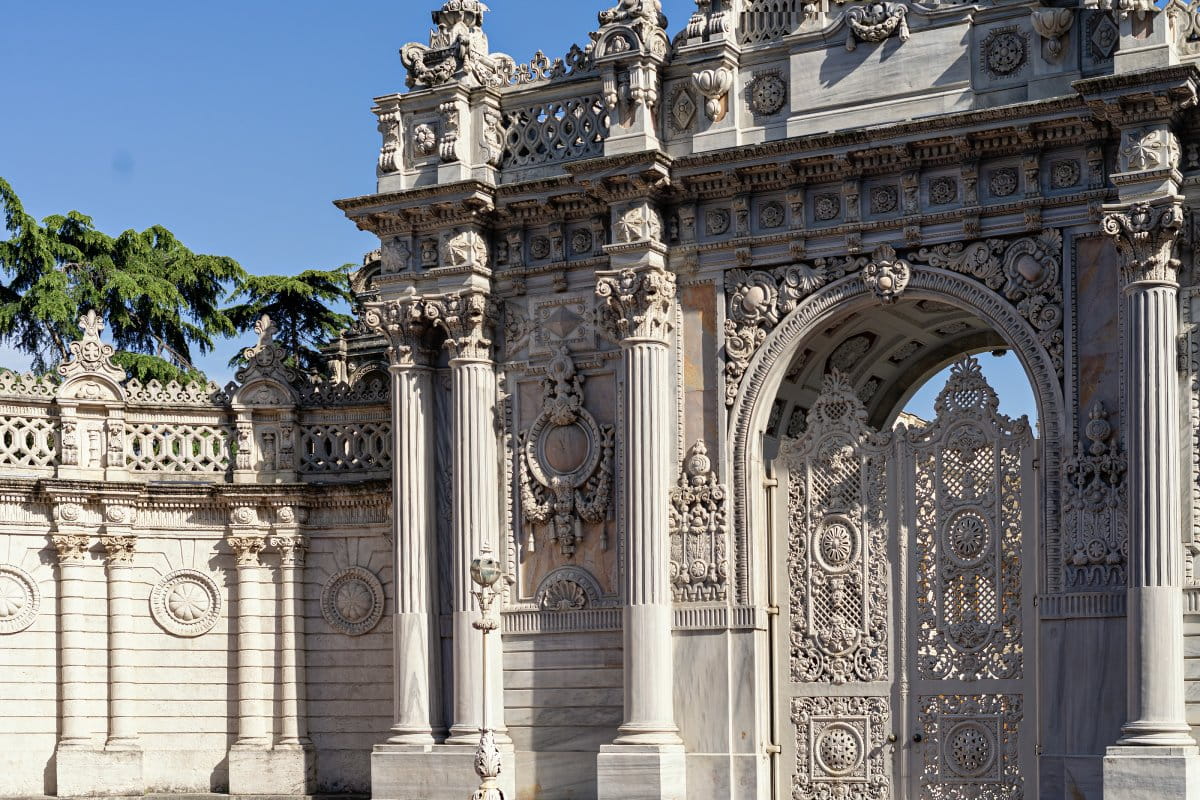
When travelers first step through the Imperial Gate of Dolmabahçe Palace, the immediate impression is one of overwhelming aesthetic grandeur. The eyes are drawn to the fourteen tons of gold leaf adorning the ceilings, the Baccarat crystal chandeliers, and the intricate Hereke carpets that define the palace's opulent interior. However, beneath this veneer of Baroque, Rococo, and Neoclassical luxury lies a different kind of masterpiece—one of engineering and industrial foresight. Built between 1843 and 1856, Dolmabahçe was not merely a change in address for the Ottoman dynasty; it was a radical shift towards Western modernity. While the architecture mirrored European palaces like Versailles, the infrastructure hidden within its walls was cutting-edge technology that rivaled, and in some cases surpassed, its Western counterparts. For the discerning visitor, the true marvel lies in how Sultan Abdülmecid I demanded a residence that was not only beautiful but also functionally state-of-the-art.
The Drive for Modernization: Leaving Topkapı Behind
To understand why Dolmabahçe is a technological marvel, one must first understand the context of its creation. By the mid-19th century, the sprawling, pavilion-style layout of Topkapı Palace was deemed insufficient for the protocol of a modernizing empire. The Ottoman Empire was keen to demonstrate that it was culturally and technologically synchronized with the great powers of Europe. Consequently, the architects Garabet and Nigoğayos Balyan were tasked with a challenge that went beyond aesthetics: they had to integrate the comforts of the Industrial Revolution into a structure that still demanded the privacy and hierarchy of traditional Ottoman life. This transition is evident when you explore the palace's history, marking a pivotal moment where the Ottomans embraced Western innovation to project strength and sophistication.
(Image: A historical photograph or engraving depicting the construction of Dolmabahçe Palace or its innovative features, such as the central heating system or gasworks. Caption: Construction underway at Dolmabahçe Palace, showcasing the scale of the project.)
The Invisible Warmth: Pioneering Central Heating
Perhaps the most impressive, yet frequently overlooked, feature of Dolmabahçe Palace is its heating system. In an era when most of the world relied on smoky fireplaces and portable braziers (mangals), Dolmabahçe was experimenting with central heating technologies that were revolutionary for the time. The architects implemented a sophisticated hot air heating system, known as the Baker system, which was imported from England. This was a massive departure from the traditional heating methods used in Topkapı, which often left large, high-ceilinged rooms drafty and cold during the harsh Istanbul winters.
The mechanics of this system were ingeniously concealed to maintain the visual harmony of the rooms. The heating relied on:
- Basement Furnaces: Massive furnaces located in the sub-basement levels burned coal to heat air.
- Hidden Ducts: A network of ducts was built within the thick masonry walls to transport this hot air upwards.
- Decorative Grills: Instead of ugly industrial vents, the hot air was released into the rooms through elegant, brass-latticed grills located near the floorboards, often hidden behind furniture or integrated into the decorative molding.
While this hot air system was the primary innovation, the palace later integrated radiator systems as technology advanced. If you look closely during your tour, particularly in the ceremonial halls, you might spot these subtle grills. They are a testament to the architects' ability to prioritize comfort without sacrificing the visual narrative of imperial power.
Illuminating the Empire: Gas and Electricity
Lighting a structure of 45,000 square meters, containing 285 rooms and 46 halls, was a logistical nightmare that the Balyan family solved with modern science. When the palace opened in 1856, it was illuminated by gas lighting, a significant upgrade from the candles and oil lamps of the past. The gas was supplied by a dedicated gasworks facility established nearby, specifically to service the palace—a clear indicator of the scale of this technological undertaking. The famous Crystal Staircase and the massive Ceremonial Hall were designed to maximize the refraction of this light, creating a shimmering effect that awed foreign dignitaries.
As the century progressed, Dolmabahçe continued to evolve. The gas lines, which were carefully routed through the walls and ceilings, eventually gave way to electricity. The transition was handled with such care that the magnificent chandeliers, including the 4.5-ton gift from Queen Victoria, were retrofitted rather than replaced. Today, as you walk through the various sections of the palace, notice how the lighting fixtures often feature glass tulips or globes originally designed to shield gas flames, now holding electric bulbs. This layering of technologies serves as a physical timeline of Istanbul's modernization.
Technological Comparison: Topkapı vs. Dolmabahçe
The leap in living standards between the old residence and the new one was astronomical. The following table illustrates the technological disparity between the two imperial seats:
| Feature | Topkapı Palace (Traditional) | Dolmabahçe Palace (Modern) |
| Heating | Open fireplaces, charcoal braziers (mangals) | Central hot-air system (Baker), later radiators |
| Lighting | Candles, oil lamps, natural light | Piped gas lighting, later electrified |
| Sanitation | Traditional marble hammams, manual waste removal | Imported water closets (WCs), modern plumbing, drainage |
| Communication | Messengers, runners | Telegraph integration, later telephone lines |
Sanitation and Hygiene: The Alfranga Shift
Another radical departure from tradition was the approach to sanitation. While the palace features incredibly ornate traditional Turkish baths (hammams), particularly in the Harem section, the personal quarters incorporated "alfranga" (European style) water closets. This was a significant move for a society that viewed running water as the only method of purification. The architects imported high-end porcelain sanitary ware from Great Britain, integrating flushing mechanisms that were rare even in many European noble houses of the time. These facilities were connected to a complex sewage system that discharged downstream into the Bosphorus, ensuring that the palace grounds remained hygienic and odorless.
For visitors interested in seeing these private quarters, securing a Dolmabahce Palace & Harem Fast-Track Ticket is essential, as the Harem section contains some of the most interesting examples of these domestic technologies. The juxtaposition of marble basins used for ritual ablution alongside Western-style toilets perfectly encapsulates the dual identity of the late Ottoman Empire—deeply religious and traditional, yet undeniably looking Westward.
Structural Engineering on the Water
The very ground Dolmabahçe stands on is a technological feat. The name "Dolmabahçe" literally translates to "Filled Garden," referring to the fact that the site was originally a bay on the Bosphorus that was gradually filled in during the 18th century. Building a massive masonry palace on reclaimed land required advanced foundation engineering to prevent sinking or shifting. The architects utilized a technique involving thousands of timber piles driven deep into the soil, bound together to create a floating raft foundation. This method has allowed the palace to withstand the humid environment and the seismic activity of Istanbul for over 170 years.
(Image: A diagram or illustration showing the timber pile foundation system used in Dolmabahçe Palace. Caption: The innovative timber pile foundation that supports Dolmabahçe Palace.)
Experiencing the Hidden Details
When you plan your visit, try to look past the gold and crystal. As you move through the corridors, observe the thickness of the walls which conceal the ventilation shafts. Notice the lack of soot on the ceilings, a benefit of the gas and later electric systems compared to candle smoke. These details tell the story of a dynasty that was fighting to remain relevant in an industrializing world.
Dolmabahçe Palace Today: Preservation and Legacy
Today, Dolmabahçe Palace stands as a testament to Ottoman ingenuity and a symbol of Turkey's rich history. The palace is meticulously maintained by the Turkish National Palaces Administration, which undertakes ongoing conservation efforts to preserve its architectural integrity and technological marvels. These efforts include:
- Regular structural inspections to ensure the stability of the foundation.
- Careful restoration of the heating and lighting systems, preserving original components where possible.
- Monitoring and control of environmental factors such as humidity and temperature to prevent damage to delicate materials.
- Research and documentation of the palace's history and technology, ensuring that its legacy is understood and appreciated by future generations.
For practical details on opening hours and how to best spot these architectural nuances, be sure to check the visiting information page before your trip. Dolmabahçe is not just a museum of art; it is a museum of 19th-century innovation, frozen in time on the shores of the Bosphorus.


