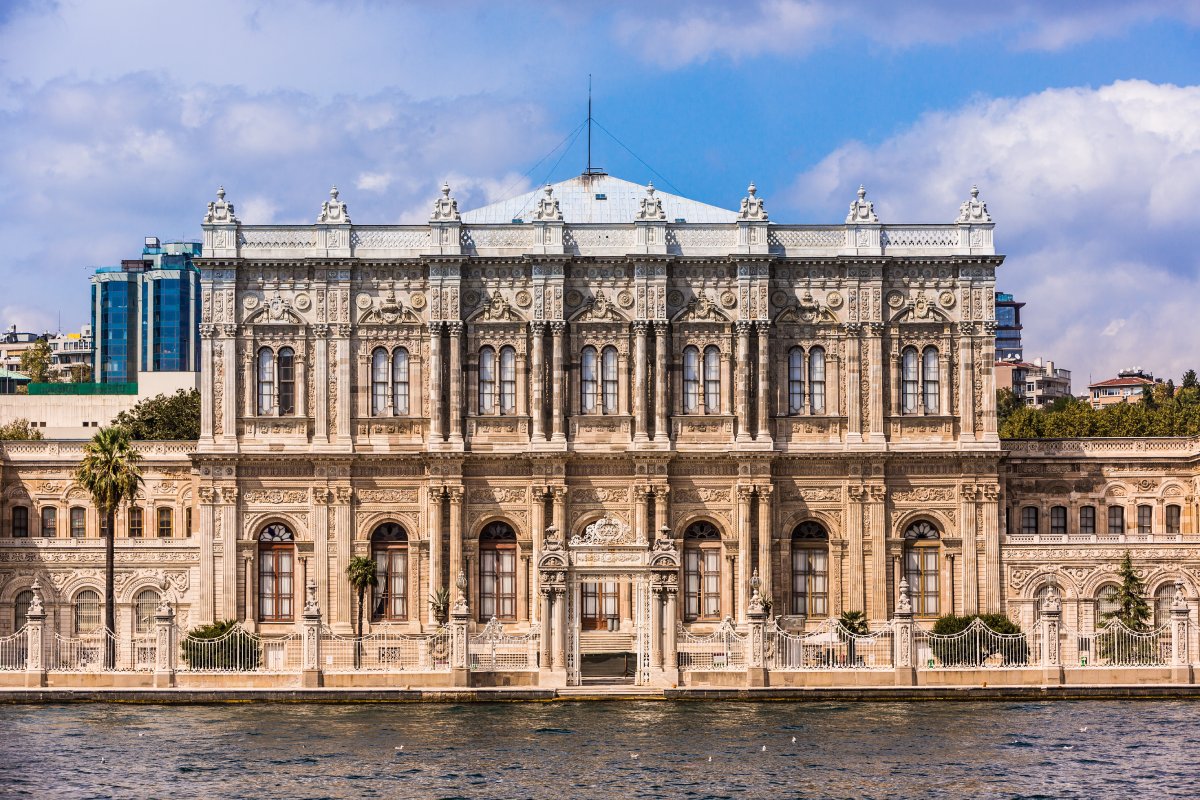
Unveiling the Splendor: A Complete Visitor's Guide to Dolmabahce Palace
Standing gracefully along the European shore of the Bosphorus strait, Dolmabahce Palace is more than just a museum; it is a dazzling symbol of the Ottoman Empire's transformation in the 19th century. Unlike the medieval charm of Topkapi Palace, Dolmabahce presents a face that is distinctly European, yet its soul remains deeply rooted in Ottoman tradition. As you approach the ornate gates, the sheer scale of the white marble façade reflecting off the blue waters promises an experience of unparalleled luxury. For travelers visiting Istanbul in 2026, this landmark remains one of the city's most visited and photogenic sites, offering a tangible connection to the sultans who once walked these halls.
A Masterpiece on the Bosphorus: History and Architecture
The construction of Dolmabahce Palace was a bold statement by Sultan Abdulmecid I, who felt that the Topkapi Palace lacked the contemporary luxury, comfort, and style of the European monarchs' residences. Completed in 1856, the palace served as the main administrative center of the Ottoman Empire until 1922. The architecture is a breathtaking eclectic mix, blending Baroque, Rococo, and Neoclassical styles with traditional Ottoman architecture. When you explore the history of the palace, you begin to understand the immense resources poured into its creation, including fourteen tons of gold used merely to gild the ceilings.
What makes the design truly fascinating is how it bridges the East and the West. While the exterior rivals the great palaces of France and Austria, the interior layout preserves the traditional separation of the 'Selamlik' (men's administrative quarters) and the 'Harem' (private family quarters). It is a physical manifestation of an empire trying to modernize while holding onto its cultural core. Walking through these corridors, you are not just seeing art; you are witnessing the final, glorious chapter of an imperial era.
Inside the Palace: Sections You Cannot Miss
Dolmabahce is massive, containing 285 rooms, 44 halls, 68 toilets, and 6 baths. To navigate this labyrinth of luxury effectively, you should prioritize the key areas that showcase the very best of Ottoman craftsmanship. A detailed look at the palace sections reveals that the layout is functional yet overwhelmingly grand.
The Selamlik (Mabeyn-i Humayun)
Your journey usually begins in the Selamlik, the official wing where state affairs were conducted. This is where the empire met the world. The entrance hall alone sets a high bar with its massive crystal chandeliers and intricate Hereke carpets. However, the true showstopper in this section is the Crystal Staircase. Built in the shape of a double horseshoe, the staircase is supported by Baccarat crystal balusters and illuminated by a glass roof, creating a play of light that is absolutely mesmerizing on a sunny day.
The Ceremonial Hall (Muayede Hall)
Located between the Selamlik and the Harem, this is the highest and most magnificent hall in the palace. It was here that the Sultan received dignitaries and held religious ceremonies. The focal point of this vast space is the colossal crystal chandelier, a gift from Queen Victoria. Weighing 4.5 tons and holding 750 lamps, it is one of the largest Bohemian crystal chandeliers in the world. Standing beneath it, the sense of scale is humbling, reminding visitors of the power the Ottoman court once commanded.
The Harem: A Private World
While the Selamlik was about public projection, the Harem was about private life. This section housed the Sultan's mother, his wives, and his children. Although less ornate than the official quarters, the Harem offers a more intimate glimpse into daily life. It is also historically significant because it houses the room where Mustafa Kemal Atatürk, the founder of the Turkish Republic, spent his final days. The clock in his room is famously stopped at 09:05, the exact moment of his passing, adding a layer of emotional resonance to the visit.
Practical Information for Your Visit
Planning is crucial when visiting a site as popular as Dolmabahce. The palace operates with specific rules to preserve its delicate interiors, and crowds can be significant, especially during the high season. For detailed logistics, always check the current visiting information before you go. Below is a quick reference guide to help you structure your day.
| Feature | Details |
| Opening Days | Open daily, usually closed on Mondays (Check current schedule). |
| Best Time to Visit | Early morning (09:00 AM) or late afternoon to avoid tour groups. |
| Average Visit Duration | 2 to 3 hours for both the Palace and Harem. |
| Transportation | Kabatas Tram Station (T1 Line) is a 5-minute walk away. |
| Audio Guide | Included with the ticket; available in multiple languages. |
Securing Your Entry: Tickets and Tours
One of the most common mistakes visitors make is underestimating the queue at the ticket booths. Dolmabahce Palace has a daily visitor quota to protect the structure, and lines can snake around the clock tower for hours. It is highly recommended to purchase your entry in advance. While there are separate fees for the Selamlik and the Harem, most travelers opt for a combined pass to see the full extent of the complex.
For a hassle-free experience, consider a Dolmabahce Palace & Harem Fast-Track Ticket. These options often include an orientation by a local guide who can provide context before you enter the audio-guided sections. Skipping the ticket line gives you more time to enjoy the gardens and the Bosphorus views, rather than standing on the pavement waiting for a turn.
Essential Tips for a Smooth Experience
To ensure your visit is as enjoyable as possible, there are a few house rules and insider tips you should be aware of. The administration is quite strict about preservation, which is understandable given the age and value of the artifacts on display.
- Photography Restrictions: In many interior sections, photography is strictly prohibited to protect light-sensitive fabrics and artifacts. Watch for signs and respect the guards' instructions.
- Shoe Covers: Upon entering the palace building, you will be provided with plastic shoe covers. You must wear these over your shoes to protect the antique wooden floors and precious carpets.
- Garden Stroll: Don't rush out after the interior tour. The palace gardens, filled with magnolias and cedar trees, offer one of the best vantage points for photos of the Bosphorus Gate.
- Accessibility: While the garden is accessible, the interior of the palace has many stairs (like the Crystal Staircase) and may be challenging for wheelchairs or strollers.
Dolmabahce Palace is a stunning reminder of an empire that once bridged continents. Whether you are a history buff, an architecture enthusiast, or simply a traveler looking for beauty, this palace delivers on every front. By securing your tickets early and planning your route through the various sections, you ensure that your memories of Istanbul are filled with awe rather than exhaustion.


