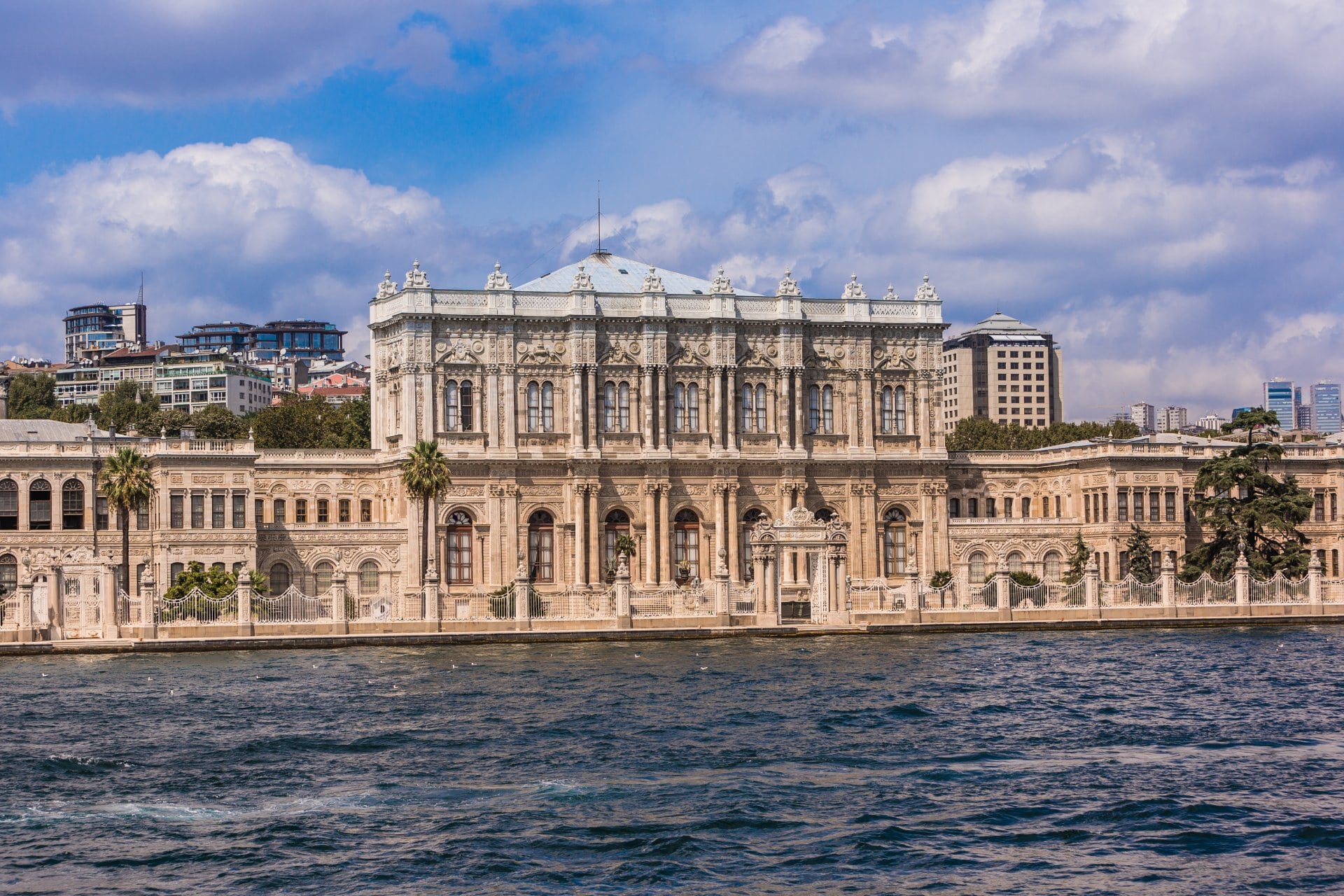
Witness the magnificence of the Ottoman Empire's final era. A masterpiece of Baroque, Rococo, and Neoclassical styles.
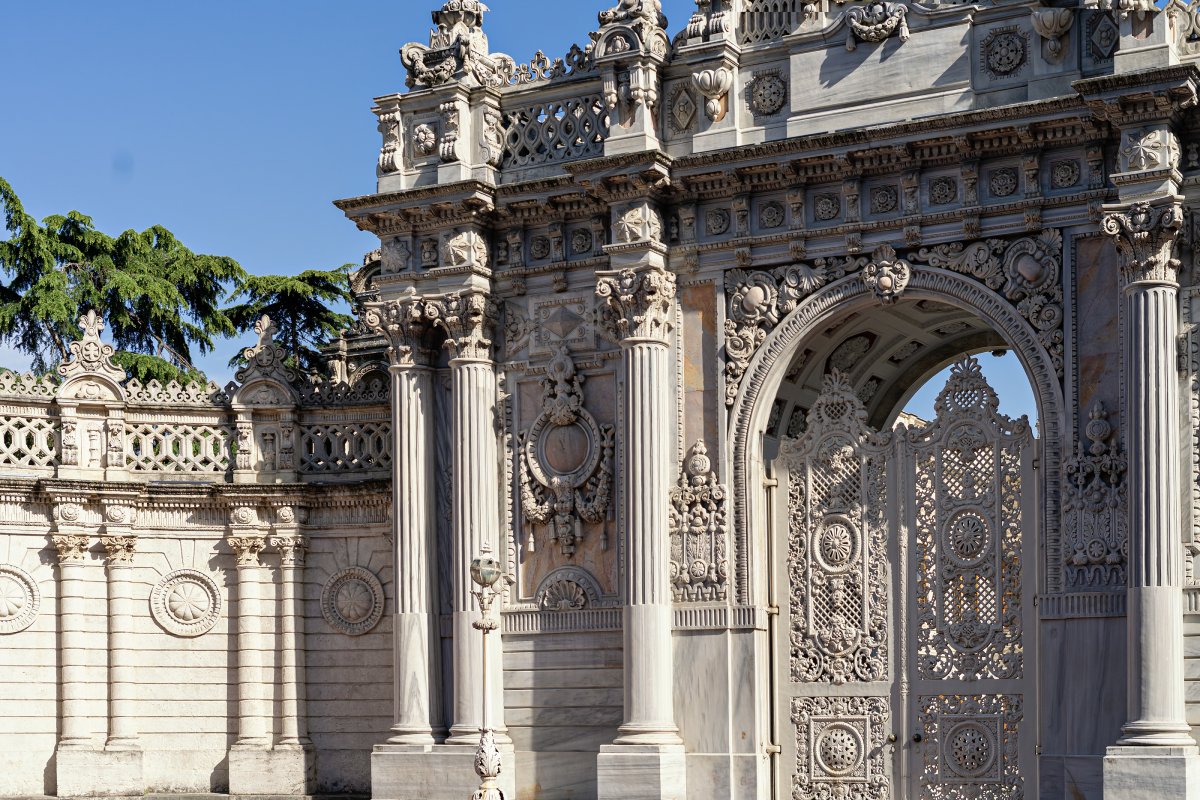
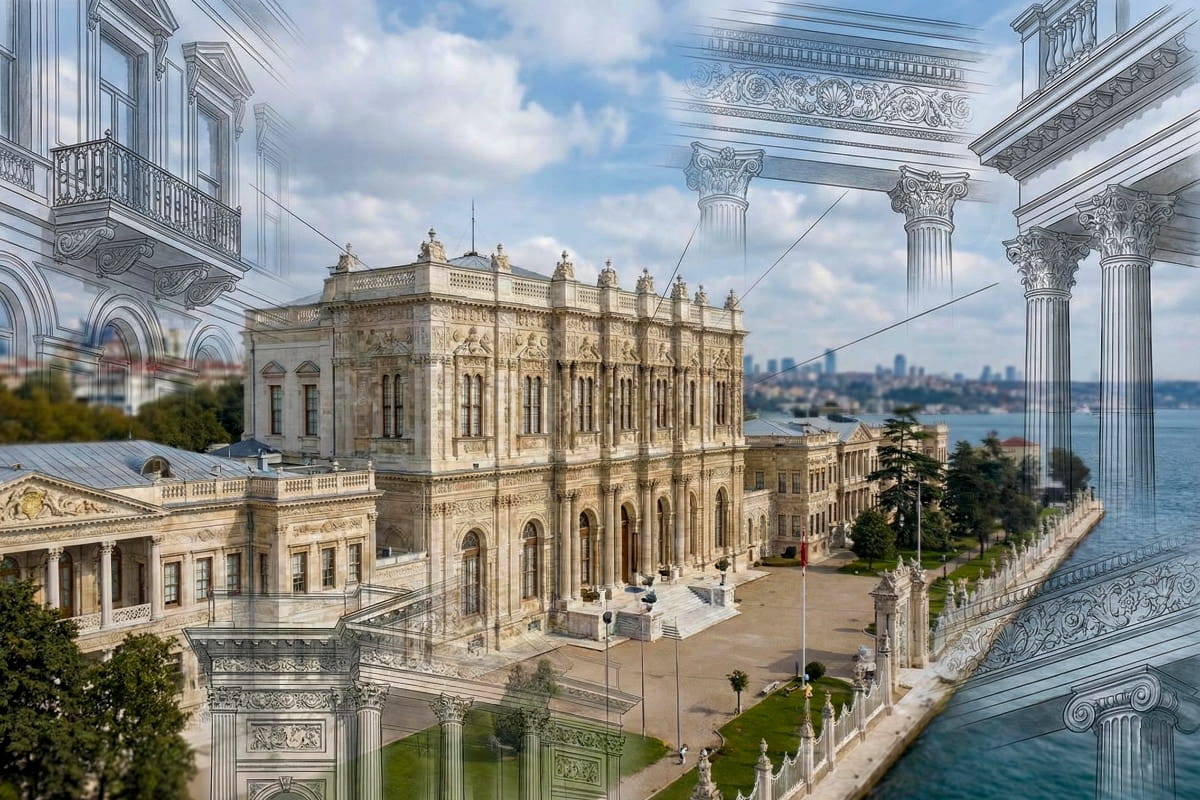
Built in the 19th century by Sultan Abdülmecid and completed in 1856, Dolmabahçe Palace served as the main administrative center of the Ottoman Empire. It is a unique masterpiece where Baroque, Rococo, and Neoclassical styles are blended with traditional Ottoman architecture.
Walk through the halls where sultans lived and where the founder of the Turkish Republic, Mustafa Kemal Atatürk, stayed between 1927 and 1938, and where he passed away on November 10, 1938.
Read Our Story
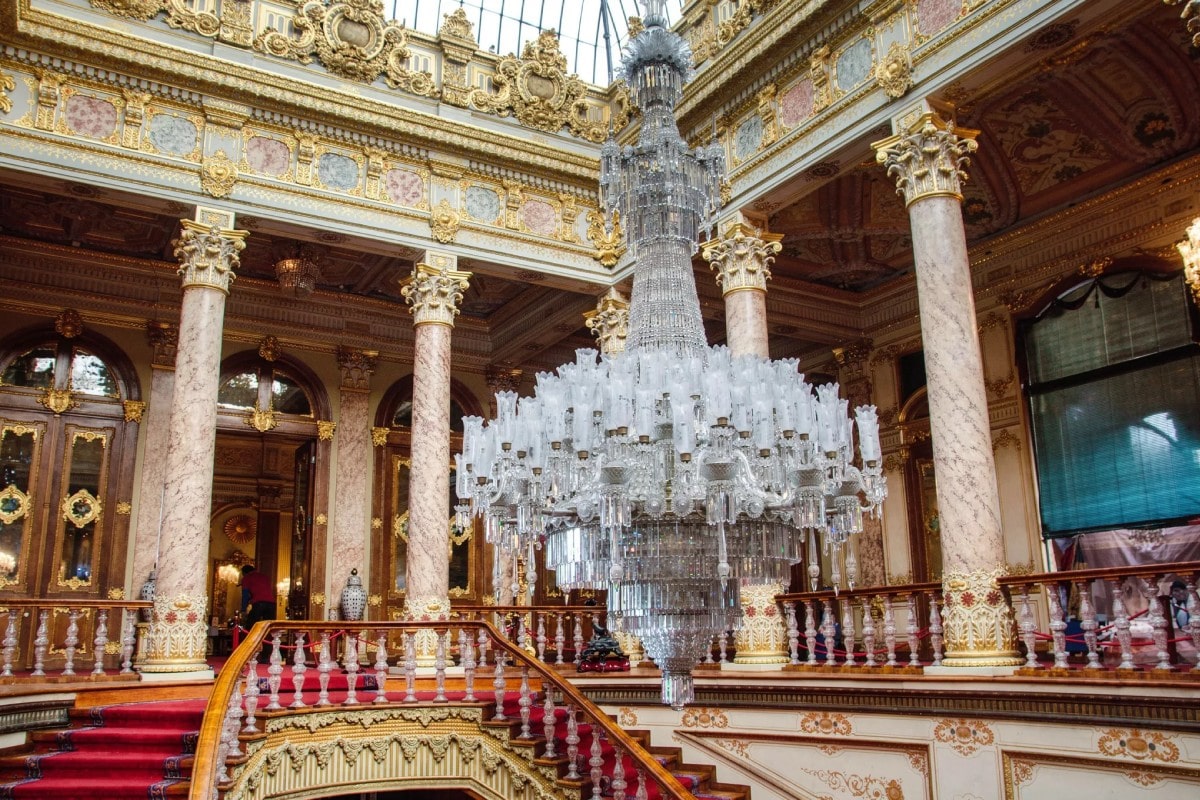
The most magnificent hall where sultans received state officials. Home to one of the world's largest chandeliers.
Explore Section →
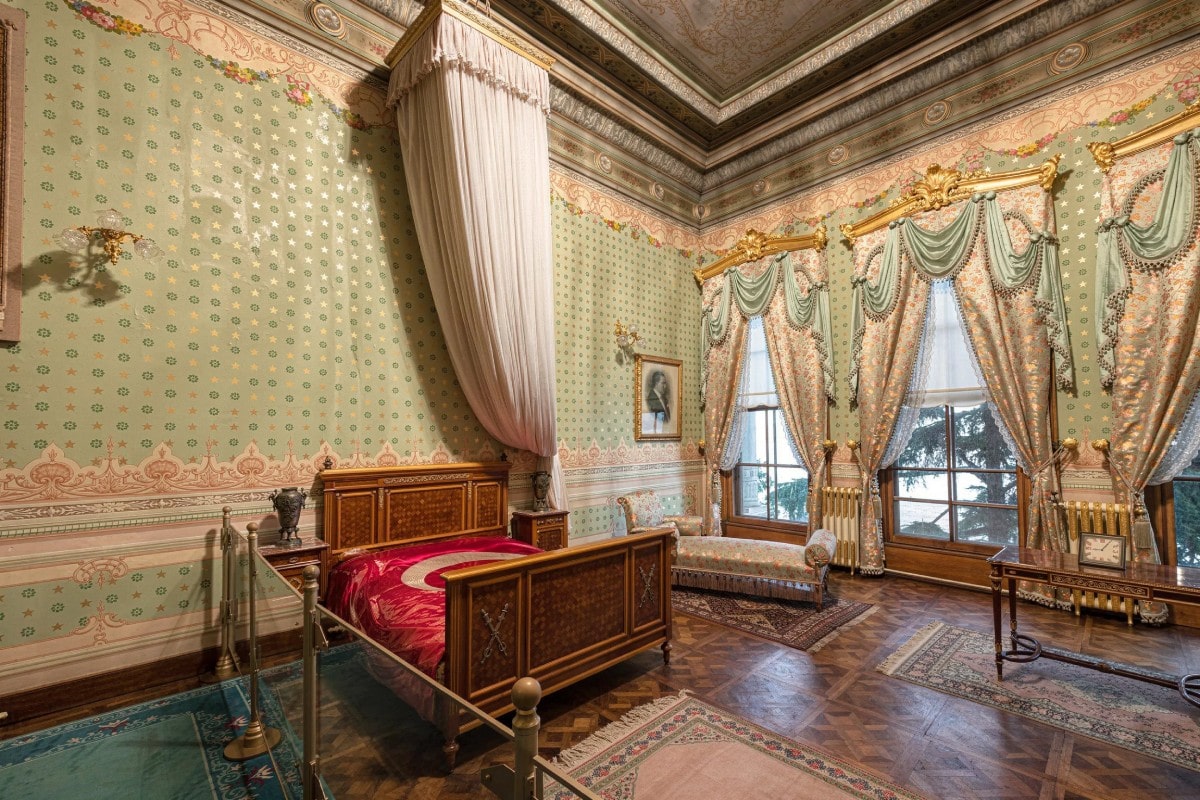
The historic room where Atatürk passed away on November 10, 1938, at 9:05. All clocks frozen at this moment.
Explore Section →
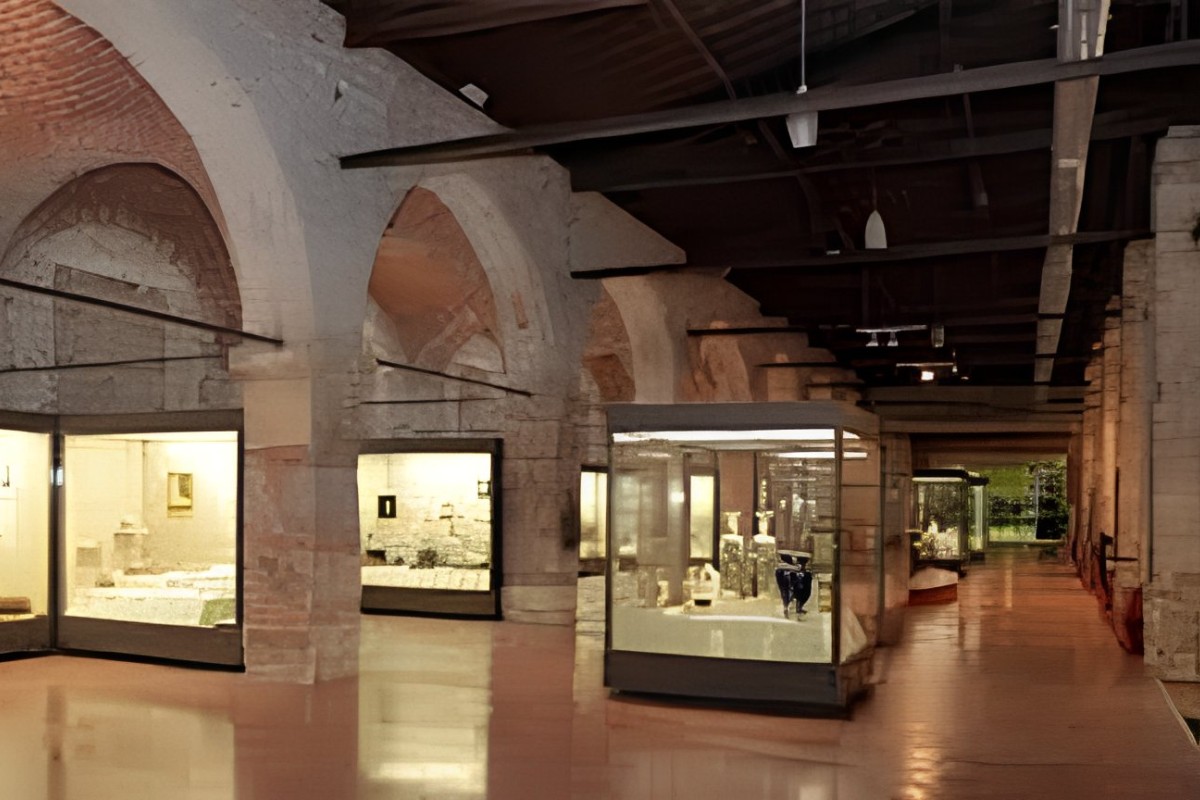
Housing 553 Ottoman artworks from the 16th-20th centuries, including Turkey's largest orientalist painting.
Explore Section →
Explore the fascinating architectural synthesis of Dolmabahçe Palace, where European Baroque, Rococo, and Neoclassical styles seamlessly blend with traditional Ottoman design to create a Bosphorus masterpiece. Discover the palace's history, key architectural elements, and the Balyan family's role.
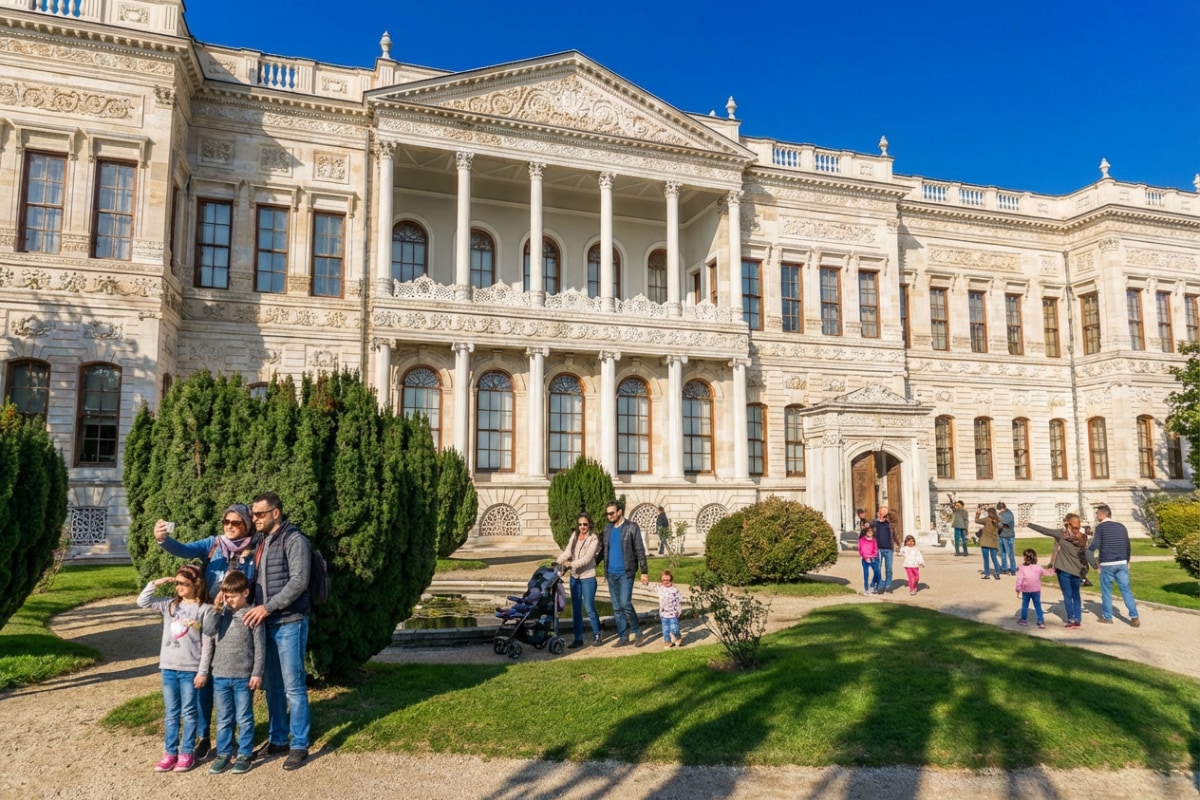
Traveling to Istanbul with children opens up a world of wonder, and contrary to popular belief, historical sites can be the highlight of the trip. This guide explores the family-friendly features of Dolmabahçe Palace, providing practical tips, engaging itineraries, information about special events and guided tours for children, and essential advice to ensure parents and kids alike have a memorable experience by the Bosphorus.
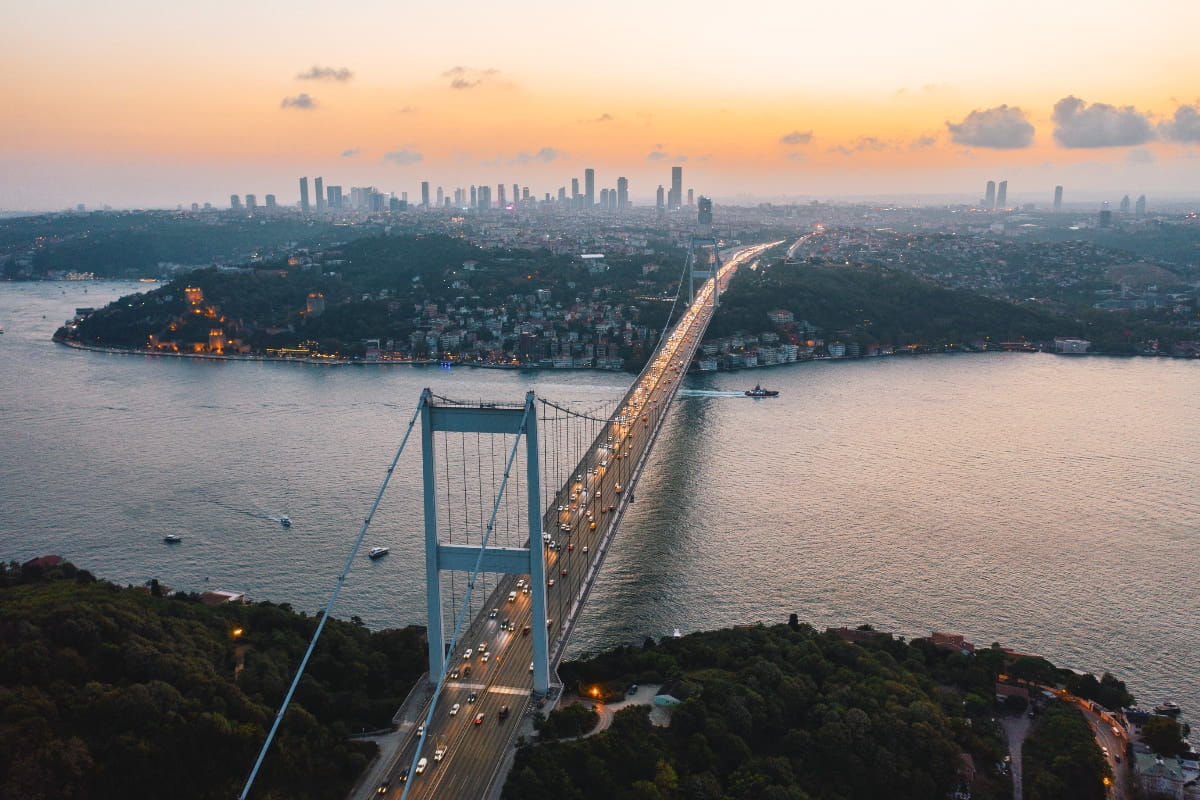
Discover the mesmerizing visual harmony between the modern Bosphorus Bridge and the historic Dolmabahçe Palace. Learn how to capture the perfect photo of these two continental icons.
Tuesday - Sunday
09:00 - 17:00
Closed on Mondays