The Best Times to Visit Dolmabahçe Palace: A Seasonal Guide
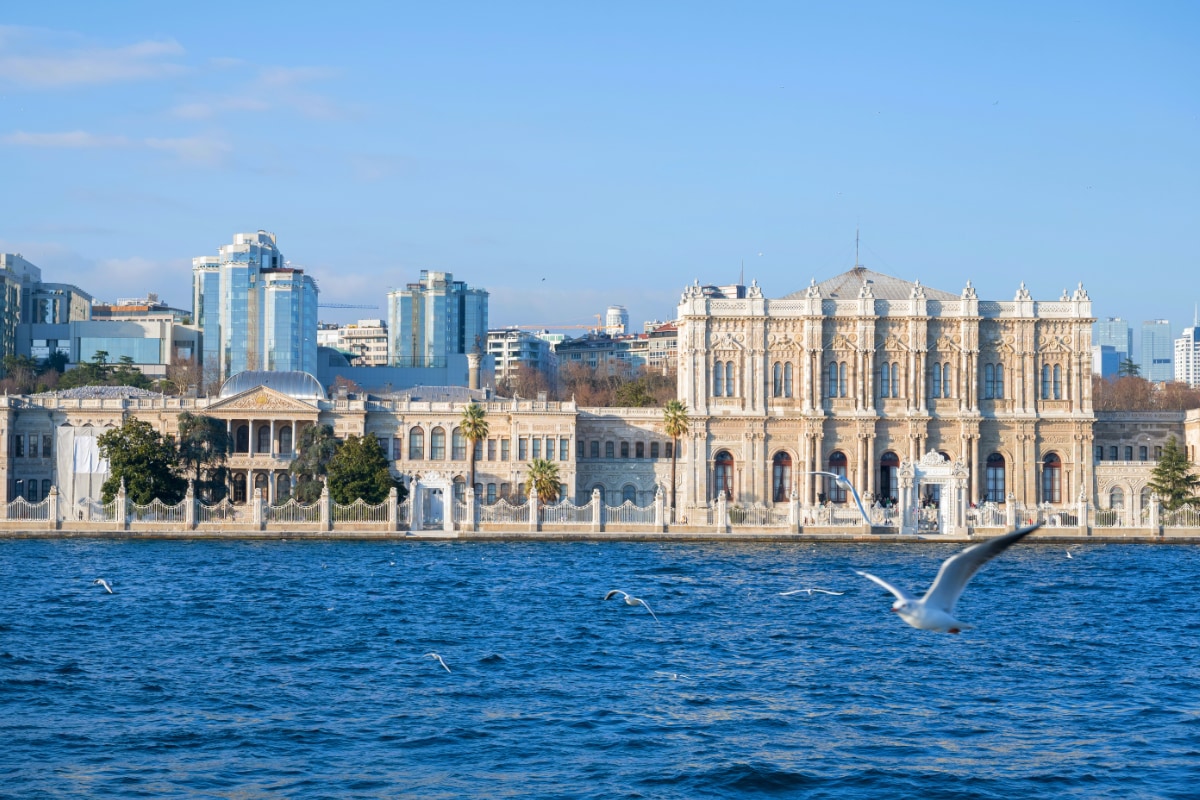
Standing majestically along the European shore of the Bosphorus strait, Dolmabahçe Palace is more than just a museum; it is a testament to the final era of the Ottoman Empire's grandeur. Whether you are a history enthusiast, an architecture lover, or a traveler seeking the perfect photograph, the experience of visiting this opulent landmark changes significantly depending on when you arrive. Istanbul is a city of four distinct seasons, each painting the palace façade and its manicured gardens in a different light. From the vibrant tulips of spring to the moody, romantic atmosphere of winter, planning your trip around the seasons can truly enhance your experience at Dolmabahçe Palace. To help you make the most of your journey, we have compiled a detailed guide on the best times to visit, considering weather patterns, tourist density, and the unique atmosphere each season brings.
Spring: A Symphony of Tulips and Mild Breezes (April – May)
Spring is arguably one of the most picturesque times to visit Istanbul, and Dolmabahçe Palace is at the heart of this seasonal transformation. As the city shakes off the winter chill, the palace gardens burst into life, particularly during the annual Tulip Festival in April. The meticulously maintained grounds, which separate the ornate gates from the Bosphorus, become a riot of color with thousands of tulips, hyacinths, and roses. The weather during these months is generally delightful, with temperatures averaging between 15°C and 20°C (59°F - 68°F), making it comfortable to wander through the extensive exterior grounds before heading inside.
However, the beauty of spring does not go unnoticed by fellow travelers. This season marks the beginning of the tourism uptick, meaning you will likely encounter moderate crowds. While it is not as packed as the peak summer months, arriving early is still highly recommended to enjoy the serenity of the gardens. The soft spring light is also exceptional for photography, illuminating the white marble façade against the deep blue of the Bosphorus without the harsh glare of the mid-summer sun. If you appreciate botanical beauty alongside historical architecture, this is undoubtedly the sweet spot for your visit.
Summer: Navigating the High Season (June – August)
Summer brings a vibrant energy to Istanbul, with the city buzzing with festivals, outdoor dining, and cruise ships docking at the ports. For Dolmabahçe Palace, this is the peak season. The days are long and sunny, providing ample time to explore, but the heat can be intense, often rising above 30°C (86°F) with high humidity. The palace grounds host various events during the summer, including open-air concerts and cultural performances, adding another layer to the visitor experience. Since the palace is situated directly on the water, there is often a breeze, but the interiors—historically preserved and lacking modern air conditioning in many areas to protect the artifacts—can get warm. This is the time when strategic planning becomes essential to ensure your comfort and enjoyment.
Crowd levels are at their highest during the summer, resulting in longer queues at the security checkpoints and ticket counters. To bypass the long lines under the hot sun, it is strongly advised to secure a Dolmabahce Palace & Harem Fast-Track Ticket in advance. Having your entry sorted allows you to breeze past the crowds and step immediately into the cool, shadowed grandeur of the ceremonial halls. We recommend visiting either right at the opening time or later in the afternoon to avoid the midday rush of tour groups. Despite the crowds, the summer sun reflecting off the crystal chandeliers creates a dazzling spectacle that is hard to replicate at any other time of year. Consider also taking a Bosphorus cruise after your visit to fully appreciate the palace's waterfront location and escape the city heat.
Autumn: The Golden Hour (September – November)
As the intense heat of summer fades, Istanbul enters what many locals consider its most romantic season. Autumn at Dolmabahçe Palace offers a sophisticated atmosphere, where the changing leaves in the palace gardens complement the gold leaf accents of the interior. September often retains the warmth of summer without the humidity, while October and November bring crisp, fresh air that is perfect for walking. The light during these months has a golden quality that bathes the Bosphorus in a nostalgic glow, offering a completely different visual experience compared to the bright starkness of summer.
Visitor numbers begin to drop significantly by late October, allowing for a more intimate connection with the history of the site. You can take your time admiring the intricate details of the Crystal Staircase or the Ceremonial Hall without feeling rushed by the flow of people. This is an excellent time to delve deeper into the stories behind the sultans who lived here. Reading up on the history of the palace before your visit can enrich this quieter experience, helping you understand the transition from Topkapı Palace to this European-style residence. The melancholy beauty of the Bosphorus in autumn provides a fitting backdrop for contemplating the final days of the Ottoman Empire. Keep an eye out for special events and exhibitions that often take place in the autumn months, offering a unique perspective on Ottoman art and culture.
Winter: Serenity and Indoor Splendor (December – March)
For the traveler who dislikes crowds and enjoys a moody, atmospheric setting, winter is the hidden gem of visiting times. While Istanbul does get cold and rainy—and occasionally sees a dusting of snow—the palace interiors offer a warm and opulent refuge. There is something profoundly magical about looking out from the palace windows onto a stormy, grey Bosphorus while you stand surrounded by the warmth of red velvet and gold. The crowds are at their absolute lowest, meaning you might find yourself alone in some of the grandest rooms, a rarity in such a major metropolis.
Winter visits allow for a leisurely pace that is impossible during high season. You can spend more time examining the specific sections of the palace, such as the Selamlık (administrative section) and the Harem, without the pressure of moving along for the next group. During the winter months, the palace often hosts smaller, more intimate exhibitions focusing on specific aspects of Ottoman history or art. These can provide a deeper understanding of the palace's significance. After your visit, warm up with a traditional Turkish coffee or sahlep at a nearby café, reflecting on the palace's rich history. However, keep in mind that days are shorter, and the palace closes earlier in the afternoon compared to summer. It is vital to check the weather forecast; a sunny winter day is glorious, but a heavy storm might limit your enjoyment of the exterior architecture. Nevertheless, the lack of queues and the peaceful ambiance make winter a favorite for serious culture seekers.
Month-by-Month Weather and Crowd Guide
To help you visualize the best time for your specific needs, here is a breakdown of what to expect throughout the year:
| Month | Average Temp | Crowd Level | Best For |
| Jan - Feb | 5°C - 9°C | Low | Solo travelers, history buffs, silence |
| Mar - Apr | 10°C - 16°C | Medium | Tulips, gardens, comfortable walking |
| May - Jun | 18°C - 25°C | High | Sunny photos, Bosphorus vibes |
| Jul - Aug | 28°C - 32°C | Very High | Summer energy (requires fast-track tickets) |
| Sep - Oct | 20°C - 25°C | Medium | Romantic atmosphere, perfect weather |
| Nov - Dec | 10°C - 15°C | Low-Medium | Moody views, cultural immersion |
Timing Your Daily Visit: Morning vs. Afternoon
Choosing the right season is only half the battle; selecting the right time of day is equally important. Generally, Dolmabahçe Palace opens at 9:00 AM. The "Golden Rule" for visiting is to arrive at least 15 minutes before opening time. Being among the first to enter ensures you can view the famous Crystal Staircase and the massive Ceremonial Hall before they fill up. The morning light also floods the eastern-facing rooms, illuminating the heavy drapery and intricate carpets in a spectacular fashion.
Alternatively, a late afternoon visit (entering around 3:00 PM) can also be rewarding, particularly as the tour groups begin to disperse for dinner. However, you must be mindful of the closing times, as the ticket counters close earlier than the museum itself. If you are planning a late visit, ensure you have checked the latest Visiting Information to avoid disappointment. The late afternoon sun casting long shadows across the Bosphorus creates a serene setting for a post-visit tea at the clock tower café located just outside the palace gates.
Final Thoughts on Planning Your Trip
Ultimately, the best time to visit Dolmabahçe Palace depends on what you value most in your travel experience. If you crave vibrant energy and perfect blue skies, summer is your season, provided you plan ahead with skip-the-line options. If you prefer a contemplative journey through history with room to breathe, the cooler months of autumn or winter will serve you well. Regardless of when you choose to go, the palace remains a stunning architectural marvel that bridges the East and West.
Remember to wear comfortable shoes, as the palace complex is vast and requires a significant amount of walking. Also, note that photography inside the palace is strictly regulated to preserve the artifacts, so take your mental snapshots and soak in the atmosphere with your own eyes. By aligning your visit with the season that suits your style, you ensure that your time at Dolmabahçe is not just a sightseeing stop, but a memorable highlight of your Istanbul adventure.


