Exploring the Cultural Context of Dolmabahçe Palace
Visiting Dolmabahçe Palace is not just about witnessing architectural beauty; it’s about immersing yourself in the rich tapestry of Turkish culture and history. As one of the most significant palaces in Istanbul, it represents a blend of Eastern and Western influences, reflecting the complexities of the Ottoman Empire's final years. Understanding this cultural context can enhance your visit, making it not just an exploration of a building but a journey through time.
The Ottoman Empire's Final Flourish
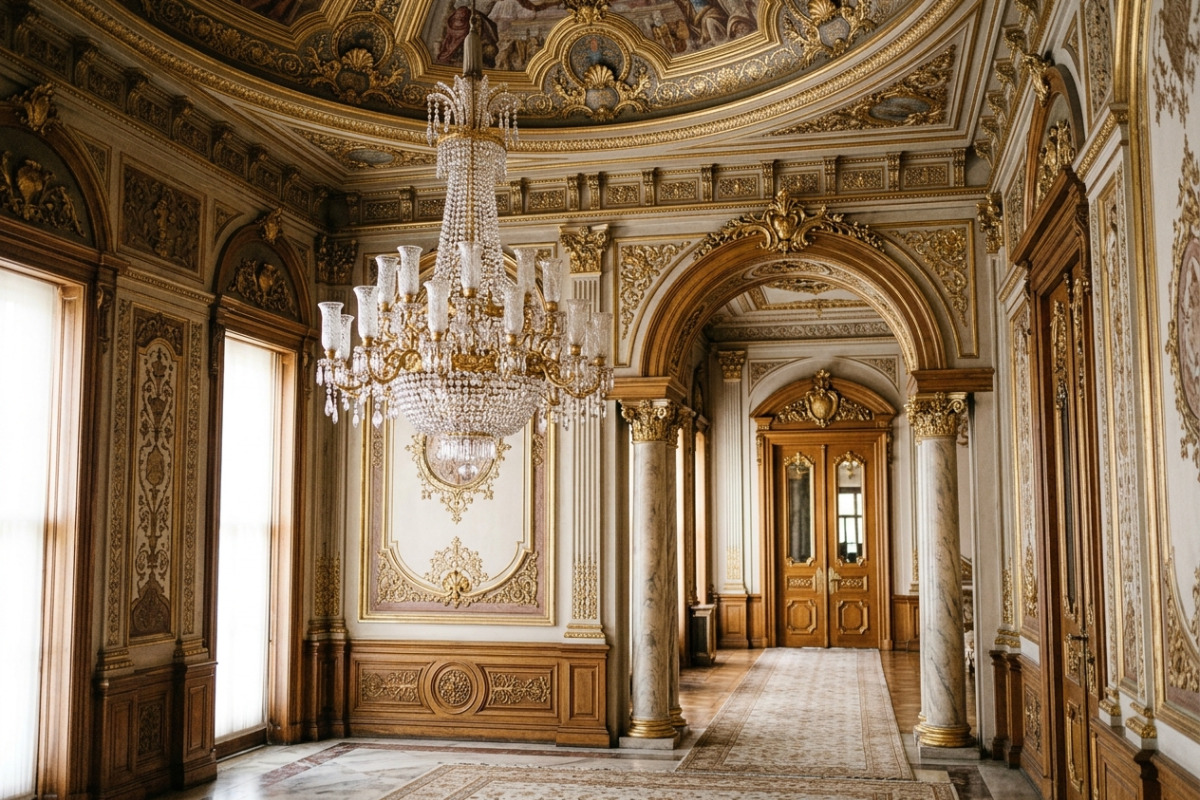
Dolmabahçe Palace was constructed in the mid-19th century, during a period when the Ottoman Empire was undergoing significant changes. This era was characterized by modernization and a shift towards Western practices. The palace itself serves as a testament to this transition, showcasing Baroque, Rococo, and Neoclassical architectural styles that were influenced by European trends. As you stroll through its grand halls, consider how this blend of styles symbolizes the empire's desire to align itself with contemporary European cultures while retaining its unique identity.
The palace was also a political hub during its time, hosting important diplomatic meetings and royal receptions. Understanding its role as a center for diplomacy can give you insight into the political dynamics of the time. The lavish décor and intricate designs were not merely for aesthetic pleasure; they were also a reflection of power and prestige in an evolving geopolitical landscape.
Cultural Significance Beyond Architecture
Dolmabahçe Palace is more than just an architectural wonder; it is a cultural beacon that has influenced various aspects of Turkish life. The palace has been a stage for significant historical events, and its halls echo with stories of the past. From the lavish parties thrown by Sultan Abdülmecid I to the poignant moments at the end of the empire, every corner holds a narrative that contributes to Turkey's national identity.
Moreover, the palace’s gardens and surrounding areas are integral to its cultural fabric. They offer a serene escape and reflect the Ottoman aesthetic of harmony between nature and architecture. As you explore these gardens, you’ll feel the tranquility that once provided solace to the sultans amidst their duties. This connection to nature is an essential aspect of Turkish culture, emphasizing peace and reflection, which continues to resonate with visitors today.
Art and Heritage: A Living Legacy
The artistic elements within Dolmabahçe Palace are not to be overlooked. From the stunning crystal chandeliers to the intricate ceilings adorned with gold leaf, each piece of art tells a story of craftsmanship and dedication. The palace houses one of the largest collections of Baccarat crystal in the world, exemplifying the wealth and luxury of the Ottoman court. This artistic legacy is a vital part of Turkey’s heritage, showcasing the skills of artisans who have contributed to the rich cultural landscape.
Engaging with these artistic elements offers a deeper appreciation for the cultural values they represent. Each artwork is a reflection of the era’s aesthetics and social values, allowing you to connect with the past in a meaningful way. By recognizing the significance of these artifacts, you can enrich your understanding of Turkish culture and its evolution over time.
Preparing for Your Cultural Journey
To make the most of your visit to Dolmabahçe Palace, consider how to engage with its cultural stories. Before your visit, take the time to research its history and significance to prepare yourself for the experience. You can also explore ticket options to ensure a smooth entry. Guided tours are available, providing expert insights that can enhance your understanding of the palace's cultural context.
Additionally, don’t miss the opportunity to enjoy the surrounding area. The cultural mosaic around Dolmabahçe Palace offers various experiences, from local dining to art galleries that reflect contemporary Turkish culture. This broader exploration can provide a fuller picture of the heritage that the palace represents.
Conclusion: Embrace the Cultural Journey
In conclusion, Dolmabahçe Palace is a vital cultural landmark that encapsulates the history, artistry, and spirit of Turkey. By immersing yourself in its rich narratives and understanding its significance, your visit will transform into a profound cultural journey. So, as you plan your trip, remember to embrace the stories that each room and garden whispers, and let them inspire you. For more information on visiting details, check out the visiting information to enhance your experience.


