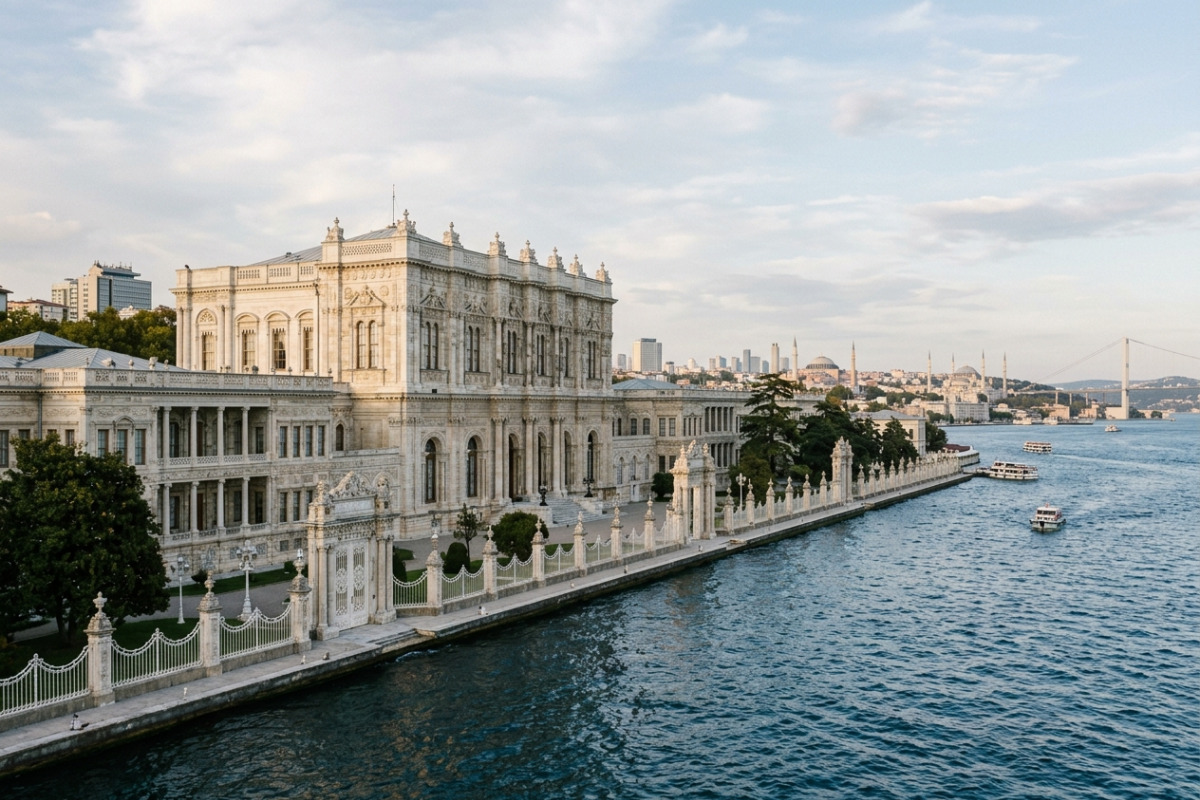
Exploring the Cultural Significance of Dolmabahce Palace
As one of the most iconic landmarks in Istanbul, Dolmabahce Palace not only dazzles visitors with its architectural beauty but also holds a significant place in the cultural and political history of the Ottoman Empire. Understanding its cultural significance can enhance your visit and provide deeper insights into the legacy of the palace. This guide will take you on a journey through the palace's role in shaping Ottoman diplomacy, art, and society.
The Role of Dolmabahce Palace in Ottoman Society
Constructed in the mid-19th century, Dolmabahce Palace represents a transition within the Ottoman Empire, moving from traditional structures to a style that embraced Western influences. The palace served as a central residence for the last six sultans, making it a hub of political activity and cultural exchange. Its lavish interiors, adorned with Baccarat crystals and gold leaf, reflect the empire's wealth and aspirations during a time of significant transformation.
Dolmabahce was more than just a home for the sultans; it was a stage for the grand performances of diplomacy and governance. Important treaties and state events were held within its walls, showcasing the palace's vital role in the political landscape of the empire. Visitors can appreciate this legacy by exploring various sections of the palace that housed state receptions and ceremonies.
Cultural Exchanges and Art at Dolmabahce
The palace was not only a political center but also a cultural melting pot. It was a place where Eastern and Western art forms coalesced, influencing the artistic direction of the empire. The ornate decorations and the integration of European styles within its architecture symbolize the empire's openness to cultural exchange.
Art lovers will find the palace a treasure trove, with its collection of paintings, sculptures, and decorative arts reflecting the diverse influences that shaped Ottoman culture. Engaging with these artworks provides a richer context to the historical significance of the palace and its role in promoting artistic endeavors within the empire.
Dolmabahce Palace and Modern Turkish Identity
In contemporary Turkey, Dolmabahce Palace continues to be a symbol of national pride and historical significance. It stands as a reminder of the Ottoman Empire's grandeur while also representing the evolution toward a modern Turkish identity. The palace's preservation and public accessibility foster a connection between the past and present, allowing visitors to appreciate its ongoing relevance in today's cultural landscape.
Visitors can reflect on this evolution as they stroll through the meticulously maintained gardens or participate in cultural events that take place within the palace grounds. These experiences not only honor the palace's rich history but also invite a deeper understanding of Turkey's journey through time.
Your Visit to Dolmabahce Palace: A Cultural Journey
When planning your visit, consider exploring the cultural aspects of Dolmabahce Palace beyond its stunning architecture. Engage with the stories of the past by taking guided tours that focus on its historical significance and cultural contributions. You can also check out the tickets page for information on how to make your visit as enriching as possible.
In conclusion, Dolmabahce Palace is not just a beautiful structure but a vital piece of cultural heritage that reflects the complexities of Ottoman history and its influence on modern Turkey. By understanding its significance, you can enhance your visit and appreciate the rich tapestry of stories that this landmark holds.


